

Event Ideas
How to Run a 3-Channel Silent Disco Night
Nov
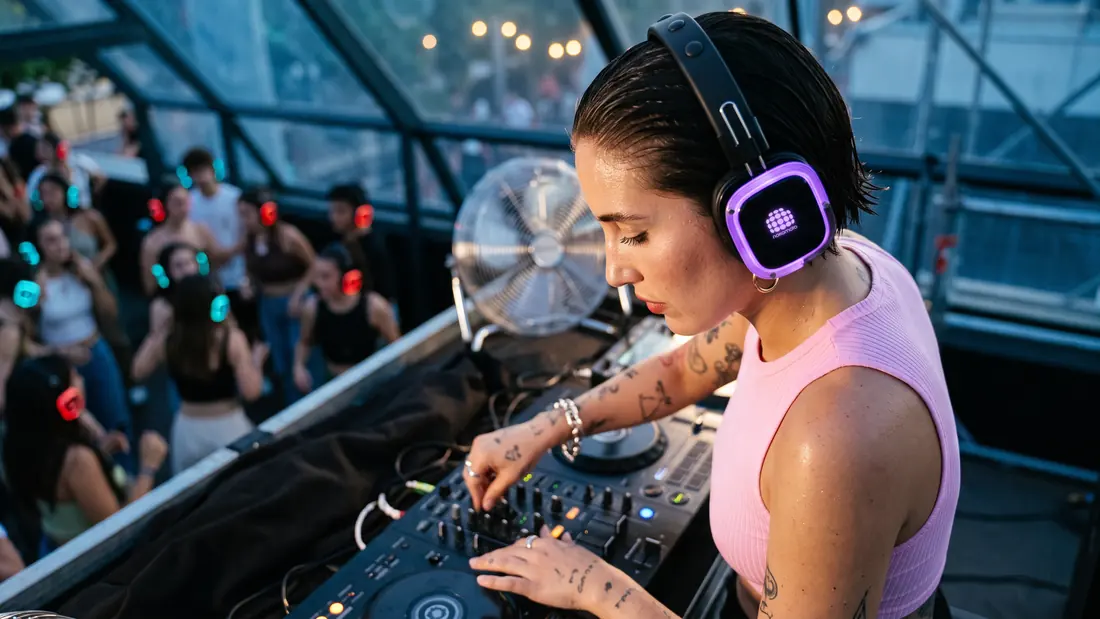
A 3-channel silent disco gives your crowd three kinds of music at the same time. Guests switch channels on their headset, and the headset light shows which channel they are on. Done well, the floor becomes a live contest between colours.
Here is how to set it up and keep the night moving.
SetupWhat a 3-channel night needs
- Three music sources: any mix of DJ mixers, laptops or phones.
- Three transmitters: one per music source, each set to its own channel. One transmitter feeds every headset in range.
- Headsets for 3 channels: Nokomoto headsets work on 2 or 3 channels, so check yours are set for 3.
- Cables and power: each source plugs into its transmitter through AUX or RCA.
Packs come with 1 transmitter, so plan for 2 more. Transmitters start from ₹8,800 plus 18% GST, and prices can change, so check the shop.
Before doors open, walk to the far end of the venue and check all three channels on a headset. Range figures are for open space, and walls and crowds reduce them. Our guide on how silent disco technology works explains the signal side, and the buyer’s checklist helps you avoid gaps.
Channel coloursGive each colour a job
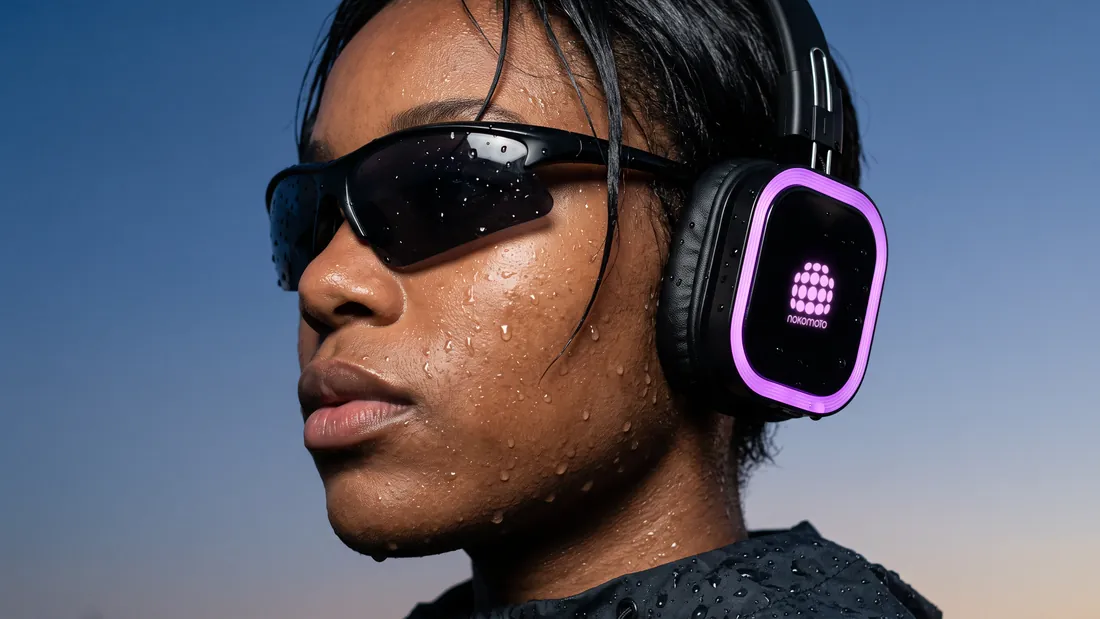
Nokomoto headset lights show red, green and blue. Treat each colour like a mini brand for the night.
- Name each channel on your poster and at the entry desk.
- Tell guests what each colour plays when they collect a headset.
- Match each DJ booth with a colour using a simple sign or light.
- Read the floor. If one colour fades, that DJ knows to change direction.
PlaylistsThree lanes that do not clash
The channels must feel different. If all three play the same style, guests have no reason to switch. Here is one example for an Indian crowd. Change it to suit yours.
| Colour | Music | Job on the night |
|---|---|---|
| Red | Bollywood and Punjabi | The crowd pleaser |
| Blue | EDM and house | High energy |
| Green | Retro and sing-along hits | Fun and nostalgia |
- Do not depend on venue Wi-Fi. Keep your music downloaded.
- Match output levels on all three sources, so switching does not cause a sudden jump.
- Build the night in three parts: warm up, peak, then a big finish.
DJ line-upWho plays when
You do not need three DJs. Two DJs and one prepared playlist work well for a first night. Here is an example run sheet for a three-hour event:
- First hour: the playlist channel and one DJ start. Guests learn how to switch.
- Second hour: all three channels go live. This is your peak.
- Last 30 minutes: run a colour battle, then bring everyone to one channel for the final song.
Stagger DJ changeovers so that only one channel changes at a time. Keep one floor manager who is not playing, to watch the crowd and solve problems.

Crowd gamesMoments only headsets can create
- Colour battle: call a three-minute round and let the crowd vote with their channels. The biggest colour wins.
- Freeze dance: a DJ cuts the music on one channel. Anyone still moving is out.
- Silent chorus: everyone takes off their headsets for the chorus and sings. Keep this for indoor venues and earlier in the night.
- Mystery track: a DJ hints at a song on one channel. Guests race to it.
- Karaoke channel: put a singer’s mic on one channel for a short slot.
An MC can reach the crowd through a mic on any live channel, so you do not need a speaker for announcements. Ready to build your setup? Shop headsets
Quick answersWhat organisers ask about channels
Can one transmitter run all three channels?
No. One transmitter sends one music source. For three live channels, you need three transmitters.
Do I need three DJs?
No. Any channel can run from a prepared playlist on a laptop or phone.
How do guests change channels?
They switch on the headset itself, and the light changes to show the channel. Show them how at the hand-out desk.
What if one channel goes empty?
That is useful feedback. Change the style on that channel, or use the moment to start a colour battle.